

The NATO summit scheduled for July 7–8, and its agenda, are already in the focus of international public attention and global media, driven not only by the ongoing turbulence in the world but also, to a greater extent, by the disagreements prevailing within the Alliance itself.
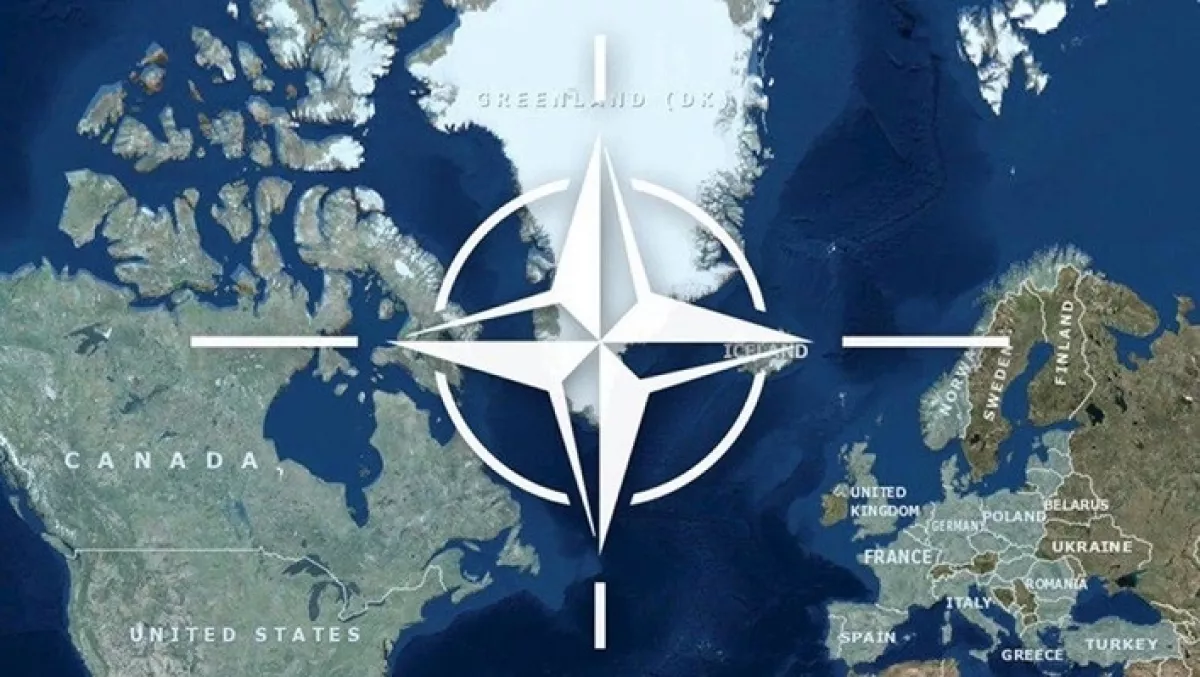
Participants in the North Atlantic Alliance forum will focus on the future architecture of global security, the resolution of geopolitical crises, and the revision of the bloc’s defence course. They will discuss the coordination of NATO member states’ efforts with countries in the Middle East and the Indo-Pacific region, security issues, the escalation in the Middle East amid the confrontation between the US–Israel bloc and Iran, as well as challenges related to transatlantic unity and the Russia–Ukraine war.
In the context of the stated topics, the very venue of this large-scale event becomes particularly significant: the capital of the Republic of Türkiye, Ankara. This choice is by no means accidental; it directly correlates with the importance and weight Türkiye holds within the structure of this military bloc, owing to its unique geographical position, which ensures control over key maritime routes, as well as its possession of the second-largest standing army in the Alliance, whose combat experience—particularly in the context of modern drone-based warfare and unmanned systems—significantly strengthens NATO’s overall defence capability.
Ankara’s presence within the bloc ensures a military balance and deterrence; in other words, the country serves as a natural buffer between Europe, Russia, and relatively unstable states such as Iran, Syria, and Iraq. At the same time, under the Montreux Convention, Türkiye acts as a natural regulator of naval passage through the strategic straits of the Bosporus and the Dardanelles, and it is precisely through this role that the North Atlantic Alliance maintains access to monitoring naval vessels transiting from the Black Sea to the Mediterranean.
In this context, it is also of considerable importance that within the Alliance itself there is an unambiguous recognition: if the Republic of Türkiye were, for any reason, to decide to leave the structure, it would entail catastrophic consequences for European security, especially given that NATO bases are located on Turkish territory.
No less significant for the bloc is the economic dimension. Türkiye’s share in the overall budget has been steadily increasing, indicating its deep involvement in the Euro-Atlantic defence system: the country ranks 7th among the 32 member states of the Alliance. In addition, Ankara has significantly increased its military expenditures, reaching record levels, meeting and even exceeding NATO’s current 2% of GDP threshold, and supporting allied agreements to raise the target spending level to 5% of gross domestic product over the next decade.
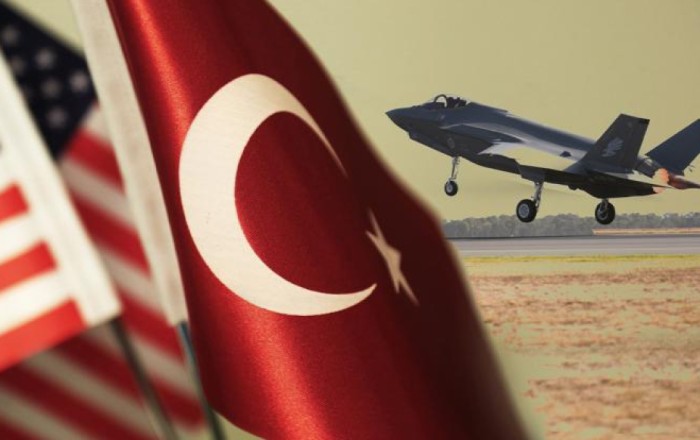
Türkiye’s enduring importance for NATO is also clearly demonstrated by the following fact: despite statements from the US administration about a possible withdrawal from the Alliance due to European allies’ refusal to directly support Washington in the conflict with Iran, the United States has not refrained from participating in the summit in Ankara. Moreover, the United States will be represented at the forum by Donald Trump himself, as confirmed recently by the Turkish leader: “The announcement that US President Donald Trump will personally attend the summit is an important step in terms of strengthening Alliance cohesion. We have intensified preparations to ensure that the summit becomes a landmark event in NATO’s history.”
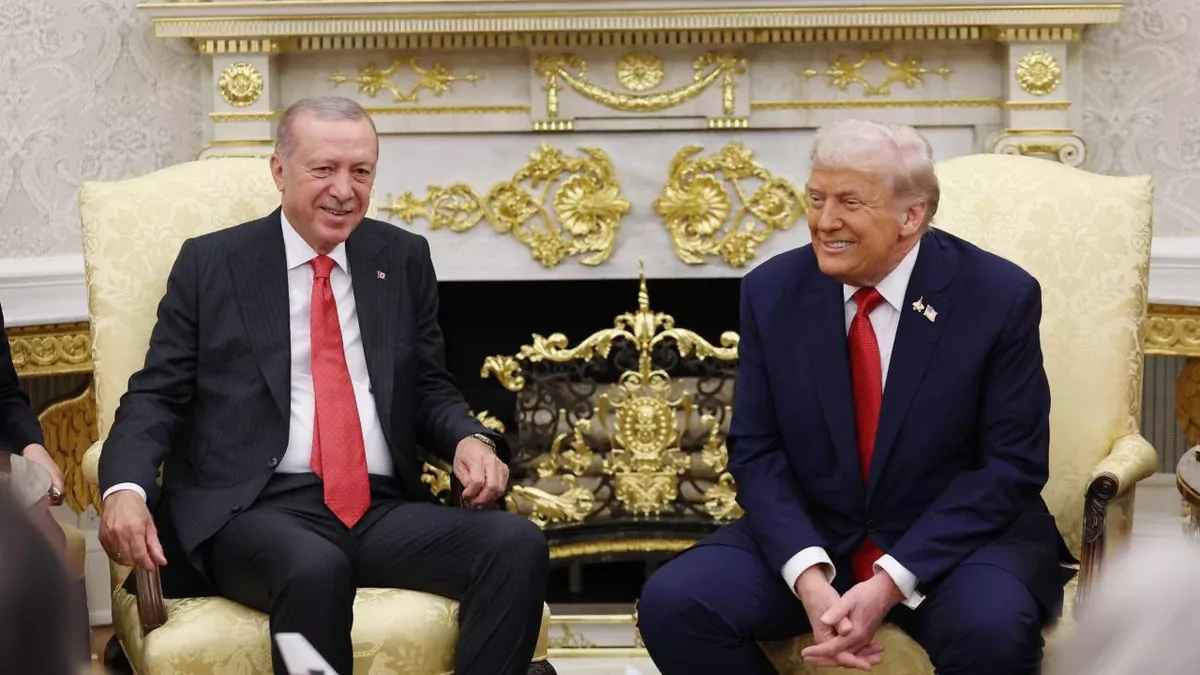
It is reasonable to assume that such a decision by the US president is driven by substantial factors, among which the most important one is the friendly nature of relations between the leaders of the two states: Donald Trump has repeatedly referred to Erdoğan as his “close friend.” “He is a very good friend of mine, and we have worked together very well. I love him. He is a great leader and a very strong person [...] He respects me, and I respect him. Beyond that, we have a good friendship,” he recently told journalists.
Secondly, for Washington, Ankara is a key strategic ally in the Middle East and Eurasia, hosting the İncirlik Air Base and possessing certain capabilities to help reduce tensions in various regions of the world thanks to its balanced and measured foreign policy. The US administration maintains this position despite existing disagreements between the two sides on certain geopolitical issues.
In conclusion, it can be stated with confidence that holding the North Atlantic Alliance summit in Ankara and the personal participation of US President Donald Trump once again clearly demonstrate the high authority of the Republic of Türkiye in the contemporary geopolitical system, and serve as an unambiguous message to those who have not yet fully recognised this reality—particularly Brussels, especially in light of the stalled negotiations on Türkiye’s accession to the EU.
Source: caliber.az




 scorpion.az