
The main outcome of WUF13 was the adoption of the “Baku Call to Action” document.
Axar.az reports, citing the WUF13 Operations Company, the document reflects a shared vision among states, international organizations, cities, civil society, and experts on addressing the global housing crisis and implementing the New Urban Agenda.
The text emphasizes the importance of moving from declarations to concrete action. It also highlights strengthening international cooperation and expanding climate financing as key priorities. In addition, it stresses the need to integrate housing policy with infrastructure, transport, social protection, environmental, and economic development frameworks.
During the Ministerial Meeting on the New Urban Agenda, participants noted that although a decade has passed since the adoption of the Quito Programme, the international community is now entering a decisive phase of implementation. It was particularly emphasized that housing is not only a construction issue, but also a foundation of social justice, human dignity, resilience, and economic opportunity.
The forum also underscored Azerbaijan’s growing international recognition for its policies in sustainable development, urban modernization, and post-conflict reconstruction. Participants positively assessed restoration efforts in the liberated territories, modern urban solutions, and sustainable territorial development approaches.
One of the key initiatives presented during WUF13 was Azerbaijan’s “Smart Sustainable Resettlement for Safe Return” (4SRP), developed jointly with UN-Habitat, the International Organization for Migration, and the Baku Climate and Peace Action Centre. The initiative aims to establish international standards for post-conflict recovery based on safe and sustainable return, as well as principles of environmental sustainability, climate adaptation, and peacebuilding.
Overall, WUF13 reaffirmed Baku’s role as a global platform bringing together states, cities, and international organizations to advance inclusive, safe, and livable urban development.
The forum’s final outcomes and the “Baku Call to Action” are expected to contribute to the UN General Assembly’s high-level midterm review of the New Urban Agenda, scheduled for July 2026 in New York.
More broadly, hosting WUF13 in Baku was viewed as further evidence of Azerbaijan’s growing role in shaping the global agenda on sustainable development, climate resilience, and international cooperation.
Special emphasis was placed on the leadership of the President of the Republic of Azerbaijan Ilham Aliyev in promoting sustainable development, modern urban planning, post-conflict reconstruction, and global cooperation.
The Government of Azerbaijan was also thanked for successfully hosting the 13th session of the World Urban Forum and for its hospitality and the effective environment for dialogue.
In the concluding “Chair’s Summary” of the Ministerial Meeting, participants stressed the importance of strengthening international cooperation on urban resilience, affordable housing policy, climate resilience, and inclusive urban development. It was noted that discussions held in Baku significantly contributed to the implementation of the New Urban Agenda and the promotion of practical solutions to the global housing crisis.
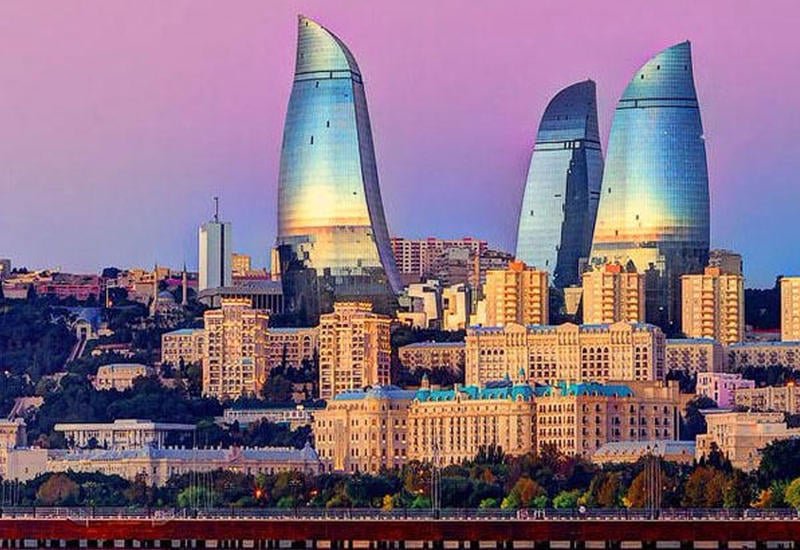
The 13th session of the World Urban Forum, held under the auspices of UN-Habitat in May 2026 in Baku, was described as one of the most significant international events in recent years in the field of sustainable urban development. Bringing together more than 57,000 participants from 176 countries, the forum once again demonstrated Azerbaijan’s growing role as a global dialogue platform.
For the first time as host, Azerbaijan transformed Baku into an international hub for discussions on the future of cities, housing policy, climate resilience, and inclusive development. In this sense, WUF13 was regarded as a landmark event not only for the region but also for the global urbanization agenda.
Dedicated to the theme “Housing for All: Safe and Sustainable Cities and Human Settlements,” the forum focused on one of the world’s most urgent challenges—the global housing crisis. According to UN estimates, around 2.8 billion people currently live in inadequate housing conditions, making WUF13 an important platform for discussing practical solutions and shaping new approaches to sustainable urban development.
Source: en.axar.az
 scorpion.az