


The International Atomic Energy Agency’s (IAEA) 35-member Board of Governors adopted a US-backed resolution calling on Iran to declare its remaining enriched uranium inventories and grant inspectors access to verify the material, a move that could complicate ongoing negotiations between Washington and Tehran.
The resolution was approved by a vote of 21 in favor, three against, and 10 abstentions during a closed-door meeting, diplomats said. Russia, China, and Niger voted against the measure, Reuters reports.
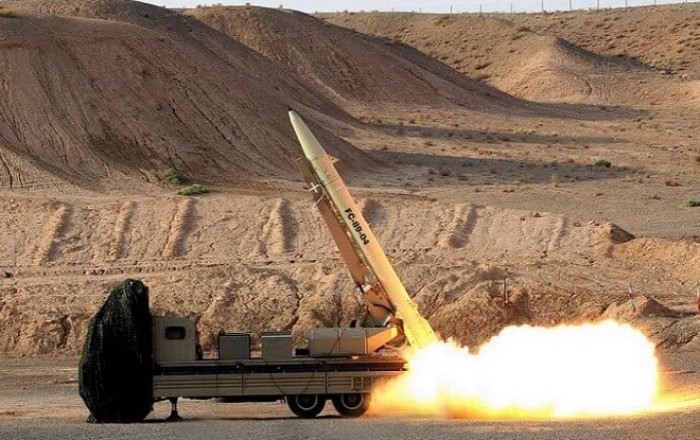
The vote came just hours after the United States and Iran exchanged military strikes, following US President Donald Trump's assertion that Iran had shot down a US Apache helicopter near the Strait of Hormuz.
Israeli and US attacks carried out in June 2025 destroyed or severely damaged Iran’s uranium-enrichment facilities. However, much of the enriched uranium produced at those sites—including material enriched to levels close to weapons grade—is believed to have survived.
According to the IAEA, Iran has yet to inform the agency of the fate of that nuclear material or permit inspectors to return to the bombed facilities to assess the situation.
Washington spearheaded the resolution, while Tehran condemned the move as an attempt at “whitewashing military aggression,” arguing that IAEA inspectors had full access to the sites before the strikes occurred.
In a joint statement to the board, the United States, Britain, France, and Germany said:
“Not only do Iran's actions raise urgent concerns regarding the nature of its nuclear program, they also threaten the very integrity of the global nuclear safeguards regime.”
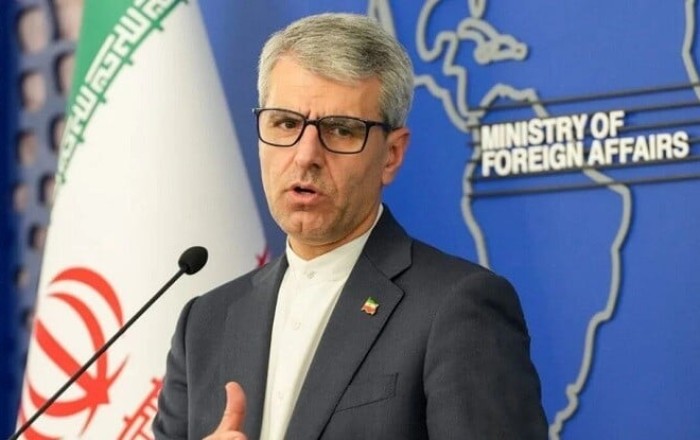
Iran’s Ambassador to the IAEA, Reza Najafi, indicated that Tehran would determine its response after reviewing the resolution.
“Without addressing the root causes of the present situation, the resolution focuses exclusively on their consequences and makes a number of excessive demands (on) Iran,” Najafi told reporters following the vote.
Prior to the meeting, Iran’s mission to the IAEA urged member states to be “cautious on the path forward.” Tehran has historically reacted strongly to resolutions critical of its nuclear activities, often responding by accelerating aspects of its atomic program or reducing cooperation with the UN watchdog.
The resolution specifically calls on Iran to “provide the Agency with complete information on nuclear material inventories” and to grant the IAEA the access required to verify those inventories “without delay.”
The development comes as the United States and Iran continue discussions aimed at extending their ceasefire and paving the way for broader negotiations, including talks on Iran’s nuclear program.
President Trump appeared to express frustration with the pace of diplomacy.
“Iran is all talk and no action,” Trump wrote in a social media post on Wednesday. “They've taken too long to negotiate a deal that would have been great for them, now they will have to pay the price!!!”
Trump has repeatedly stated that Iran must not be allowed to develop a nuclear weapon, while Iranian officials maintain that Tehran has no intention of doing so.
A central objective of the U.S. administration is securing the removal of Iran’s stockpile of enriched uranium, particularly the 440.9 kilograms enriched to up to 60% purity that the IAEA estimated Iran possessed before the first Israeli strikes on June 13, 2025.
According to IAEA benchmarks, that quantity of uranium, if enriched further to roughly 90% purity, would be sufficient for the production of approximately 10 nuclear weapons. The current status and location of much of the material remain unclear.
By Vafa Guliyeva
Source: caliber.az




 scorpion.az